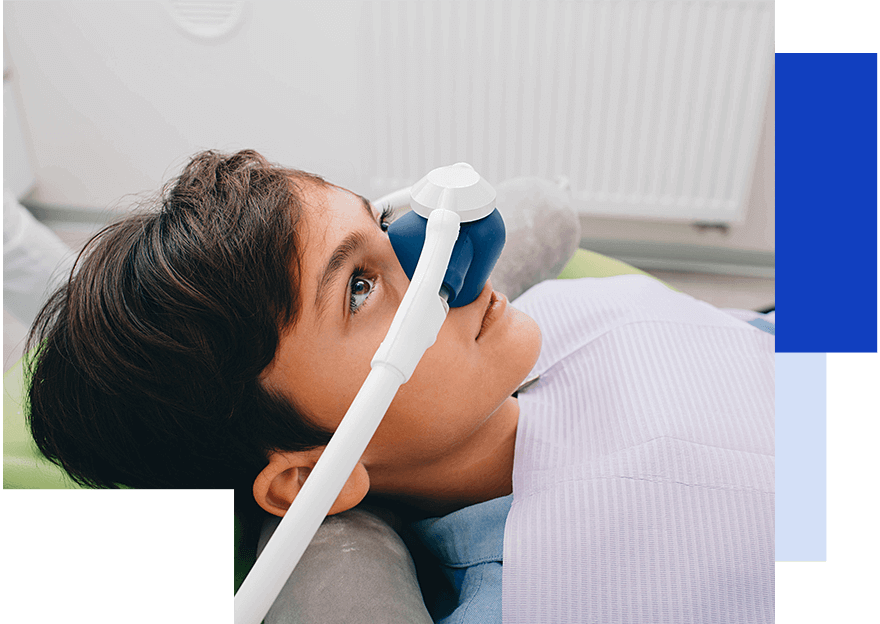
Oral Surgery Anesthesia and Sedation Options
We offer several types of oral surgery anesthesia and sedation so your care can be matched to the procedure, your health and your comfort level. During your consultation, Dr. Atul Deshmukh will explain each option and help you decide which is right for you.
- Local Anesthesia: A numbing medication applied directly to the treatment area so you do not feel pain during the procedure. It is often used on its own for simple extractions or combined with sedation for extra comfort. You stay fully awake and alert.
- Oral Sedation: Taken as a pill or liquid before your appointment, oral sedation produces mild to moderate relaxation while you stay responsive. The types of oral sedation range from a lighter dose that takes the edge off anxiety to a stronger dose that leaves many patients drowsy and calm. It is a good fit for nervous patients who do not need deeper sedation.
- IV Sedation: Delivered through a vein for fast, precise control, IV sedation for oral surgery produces a deeper, more consistent level of relaxation, and many patients remember little or nothing afterward. Because the medication is adjusted in real time and you are continuously monitored, IV sedation is ideal for longer or more complex surgery, wisdom teeth removal and highly anxious patients.
- General Anesthesia: Provides complete unconsciousness for complex or invasive procedures. You are fully asleep and unaware while our trained team monitors your vital signs closely throughout.
How Is Patient Safety Managed During Oral Surgery Sedation?
Patient safety begins with selecting an appropriate sedation method based on medical history, the planned procedure and individual needs. The American Dental Association (ADA) provides guidelines addressing four levels of sedation and anesthesia: minimal sedation, moderate sedation, deep sedation and general anesthesia. Local anesthesia, which numbs a specific treatment area, is distinct from these levels and may be used alone or alongside sedation.
Before oral surgery, patients should disclose their medical conditions, current medications, allergies, previous reactions to anesthesia and any symptoms of obstructive sleep apnea. Sedation safety involves appropriate patient evaluation, monitoring during treatment and recovery assessment before discharge. At Integrity Oral Surgery, Dr. Atul Deshmukh reviews these considerations to develop an individualized anesthesia plan.
Patients receiving oral or IV sedation should also arrange transportation and follow their specific eating, drinking and medication instructions before surgery. Cleveland Clinic advises avoiding driving for 24 hours after oral or IV sedation because medication effects may persist after the appointment.